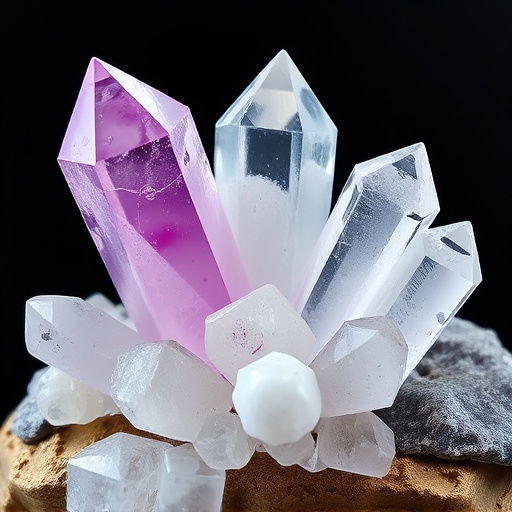
Uncommon crystals, rare due to specific geological formations, are discovered in unexpected places like local mines and shops. These gems, including citrine and rose quartz, form naturally in diverse environments. Specific regions like the Pacific Northwest and New York have notable crystal deposits, fostering communities of enthusiasts and artisans. Finding these crystals requires understanding geology and utilizing online resources. Ethical mining practices balance resource access with ecological preservation. Proper care, based on each crystal's specific needs, ensures their longevity for meditation or decoration.
Crystals have long captivated our imagination, their unique formations and properties inspiring awe and curiosity. Uncommon crystal finds nearby offer a rare glimpse into the Earth’s geological history and diverse mineralogic tapestry. However, identifying these elusive gems poses a challenge for enthusiasts, as they often require specialized knowledge to distinguish them from common minerals. This article provides an authoritative guide to navigating the world of uncommon crystals, equipping readers with the expertise to recognize and appreciate these natural wonders where they naturally occur.
- Uncommon Crystal Types: What to Look For
- Natural Occurrences: Where Crystals Form
- Identifying Rare Finds in Local Geologies
- Mining and Collection: Ethical Considerations
- Caring for Uncommon Crystal Discoveries
Uncommon Crystal Types: What to Look For
Uncommon crystal types can often be found in unexpected places, especially when you know where to look. For those exploring the fascinating world of crystals, both online and in local areas like Houston or Phoenix, the quest for rare finds is an exciting endeavor. In this journey, understanding what to seek becomes paramount. Crystals naturally occur in diverse forms and compositions, with some types being rarer than others.
One might discover amethyst, a well-known quartz variety, but delving deeper reveals lesser-known gems like citrine or rose quartz. These crystals can be found in raw mineral form, offering a unique beauty different from their polished counterparts. For instance, visiting local mines or crystal shops in cities like Houston or Phoenix can provide access to these raw materials. Even in areas outside of these urban centers, such as Gurnee, Illinois, hidden gems await discovery.
When searching for uncommon crystals, consider the geological context and formation processes. Certain minerals are more likely to form under specific conditions, leading to their rarity. For example, certain types of zeolites or rare earth minerals might be found in specific rock formations or ancient volcanic sites. Online resources can also guide crystal enthusiasts toward emerging discoveries and known locations for these special finds.
Natural Occurrences: Where Crystals Form
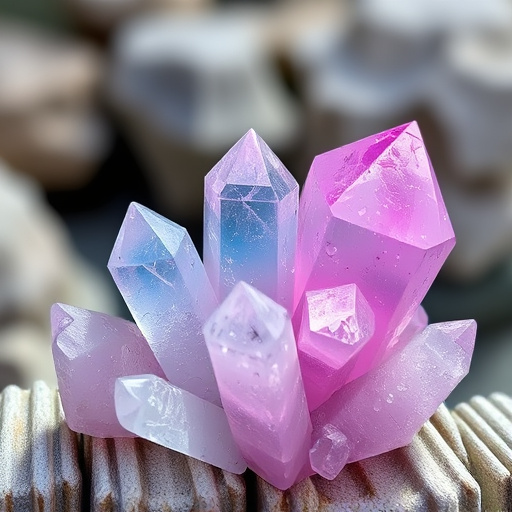
Crystals naturally form in a variety of environments, each offering unique conditions that contribute to their diverse shapes, sizes, and compositions. These natural occurrences are often found in areas with specific geological characteristics, such as active volcanoes, mineral-rich hot springs, and deep underground caverns. In the Pacific Northwest, for instance, volcanic activity has given rise to an abundance of stunning crystals like amethyst and citrine, making regions like Portland a haven for crystal enthusiasts seeking rare finds for home decor.
New York, with its rich geological history, boasts handcrafted crystals that are both artistic and scientifically fascinating. Geologists and artisans alike have long been captivated by the state’s mineral deposits, leading to a thriving community of local craftspeople creating one-of-a-kind pieces. Crystal grid workshops in Denver have also gained popularity, attracting participants from all over who are eager to harness the perceived energies and benefits associated with these natural formations. These workshops not only offer an opportunity to learn about different crystal types but also provide a space for creative expression and personal growth.
One notable example is the formation of quartz crystals in Gurnee, Illinois, where geological processes have left behind impressive deposits. These crystals, known for their clarity and beauty, have become a source of fascination and inspiration for many. By exploring these natural occurrences, crystal enthusiasts can discover not only exquisite specimens but also gain insights into the Earth’s history and the intricate processes that shape our planet. Whether you’re interested in enhancing your home decor or deepening your understanding of these remarkable formations, engaging with crystals naturally occurring in specific regions offers a unique and rewarding experience.
Identifying Rare Finds in Local Geologies
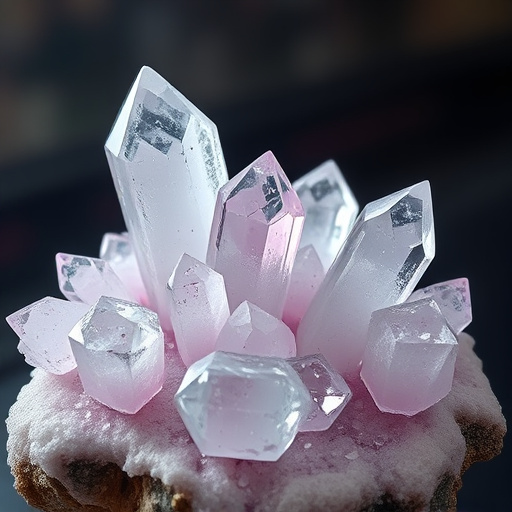
Uncommon crystal finds nearby can be a fascinating pursuit for both seasoned collectors and beginners alike. Identifying rare crystals in local geologies requires a deep understanding of mineralogy and an eye for detail. Crystals, naturally occurring formations, are more than just beautiful specimens; they often hold cultural and metaphysical significance. For instance, citrine, found in various parts of the U.S., has been associated with abundance and prosperity, making it a popular choice among those seeking wealth and success.
In cities like Minneapolis, San Francisco, and Chicago, crystals for beginners can be readily available at specialized stores like Andrews Coffee and Crystals. These urban centers also host vibrant communities interested in metaphysics, attracting expert collectors and enthusiasts from around the world. For instance, San Francisco’s rich geological history has yielded unique crystal formations, making it a hotbed for rare mineral discoveries. Similarly, Chicago’s diverse geology offers opportunities to find unusual crystals, such as amethyst geode clusters, which are highly sought after by collectors worldwide.
Locating uncommon crystals involves both luck and skill. Geologists often collaborate with local mineralogists to identify potential sites. Once discovered, these locations become hotspots for crystal hunting, drawing enthusiasts from all corners. For those looking to enhance their collection or start their journey into the world of crystals, exploring nearby geologies can be incredibly rewarding. Whether you’re in search of crystals for abundance like citrine or seeking a unique piece to add to your display, keeping an eye out for these natural wonders is sure to provide unexpected thrills and insights.
Mining and Collection: Ethical Considerations
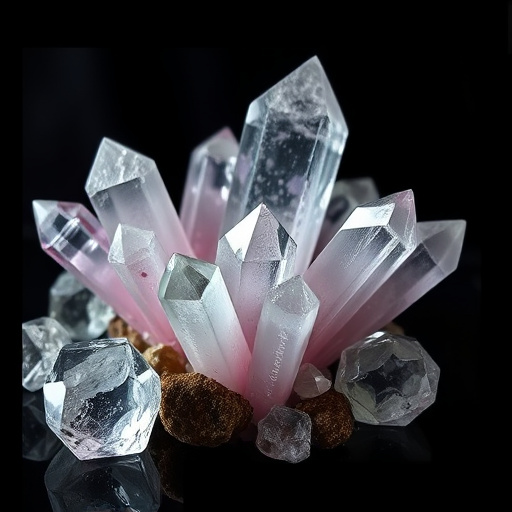
The world of crystals has captivated collectors and enthusiasts for centuries, with many seeking out rare and unique specimens. Mining and collecting crystals involves a complex interplay between access to natural resources, ethical practices, and the preservation of ecological balance. In regions like San Diego, Los Angeles, and Dallas, where crystal formations are naturally abundant, the responsibility lies with both miners and collectors to ensure sustainable and ethical collection methods.
In the pursuit of meditation crystals or mindful living crystals, it is crucial to understand the environmental impact of mining. Unregulated extraction can lead to habitat destruction and disrupt local ecosystems. For instance, in areas where crystal mining is not properly managed, it may result in soil erosion, water pollution, and the loss of biodiversity. To mitigate these issues, ethical miners employ techniques such as responsible land management, proper waste disposal, and utilizing eco-friendly tools to minimize environmental damage. Handmade crystal gifts, for example, can be crafted from locally sourced materials, reducing the carbon footprint associated with transportation.
Andrews Coffee and Crystals, a leading supplier in this industry, emphasizes sustainable practices by partnering with local miners who adhere to strict environmental standards. By supporting these responsible businesses, collectors contribute to the preservation of crystal-rich regions for future generations to enjoy. Additionally, engaging in transparent trading ensures that crystals are obtained ethically, promoting fair labor practices and supporting communities dependent on crystal mining for their livelihoods.
Caring for Uncommon Crystal Discoveries
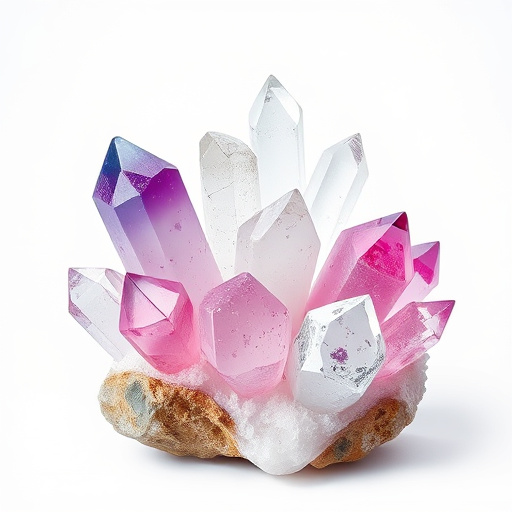
Crystals, with their inherent beauty and mystical allure, have captivated humans for centuries. The discovery of uncommon crystal varieties can be an exhilarating experience, especially when found in local areas such as San Diego or nearby regions like Gurnee, Illinois. However, caring for these rare gems requires a nuanced understanding to preserve their integrity and enhance their longevity. This is particularly true for crystals obtained through online sources or from local shops in San Jose, where the diversity of offerings can be both exciting and challenging.
When it comes to uncommon crystal discoveries, proper care involves several key practices. First and foremost, research the specific type of crystal to comprehend its unique needs. Crystals naturally vary in terms of hardness, fragility, and water content, which significantly impact how they should be handled and stored. For instance, some crystals may require occasional cleaning with distilled water, while others might be sensitive to direct sunlight or heat. Knowing these specifics ensures the preservation of their natural attributes and prevents damage over time.
Moreover, creating a suitable environment is paramount. Most crystals thrive in dry, cool conditions, away from direct sources of moisture and extreme temperatures. Consider using air-tight containers or display cases with controlled lighting to maintain optimal conditions. In areas like San Diego with its vibrant crystal scene, accessing local experts or joining online communities can provide invaluable insights on specific care requirements for rare finds. Remember, proper care not only prolongs the life of these crystals but also enhances their aesthetic appeal when used for meditation or displayed as decorative pieces in your space.
Crystals, with their unique properties and captivating beauty, naturally occur in diverse geological settings around us. This article has offered an in-depth exploration of uncommon crystal finds, guiding readers through the intricate world of mineralogy. Key insights include identifying rare crystals within local geologies, understanding ethical mining practices, and learning proper care techniques to preserve these natural treasures. By delving into these topics, readers have gained valuable knowledge on how to recognize, appreciate, and protect the remarkable crystal formations that naturally emerge in our environment. With this newfound expertise, enthusiasts can now embark on their own mineralogical journeys, contributing to a deeper understanding and responsible stewardship of Earth’s crystalline wonders.